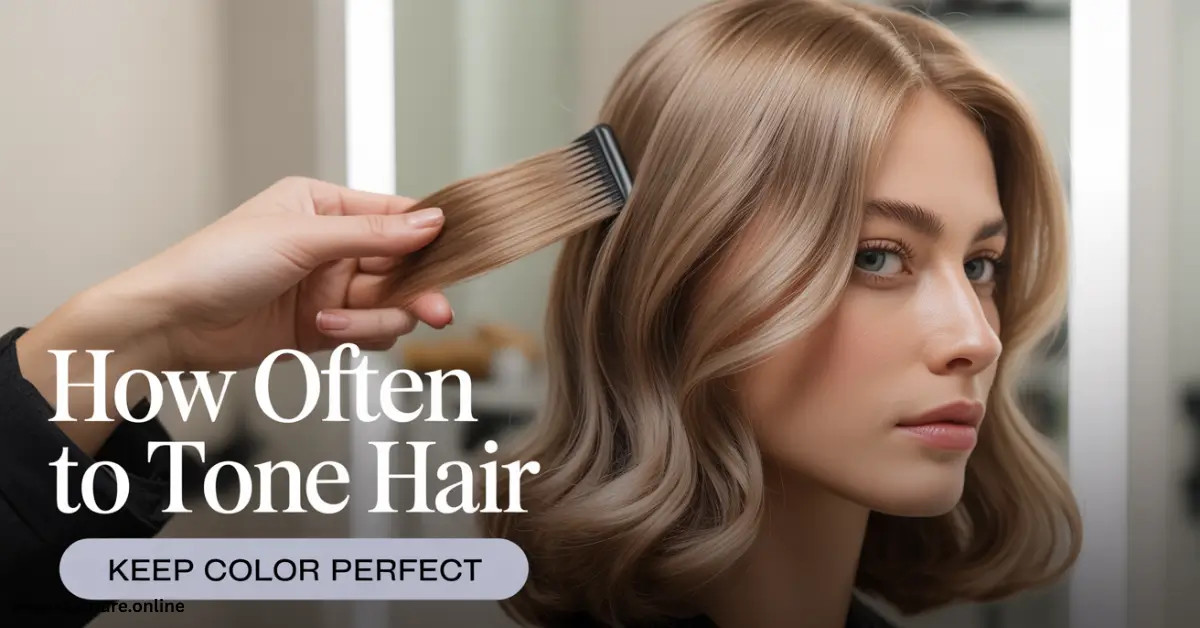






Does Toner Damage Hair
Well, we should tell the truth, nothing is as nice as leaving the salon with a freshly toned piece of hair shining in either the icy blonde or the soft caramel brown. However, immediately after the compliments are disregarded, questions begin.
Table Of Content
- Does Toner Damage Hair
- What Exactly Is Hair Toner?
- The Real Job of Toner
- The Question is, why do people apply toner on their hair?
- What Is Potentially Harmful about Toner.
- How Toners Work Chemically
- Where Toner in actuality damages
- Toner Is Sometimes Vital (Yes, Indeed)
- Toninger Tip: How to Toner Your Hair without ruining it
- Salon Toner vs. At-Home Toner — What’s Safer?
- Toner vs. Purple Shampoo – Are they one and the same?
- What to Be Wary of and What to Adore
- Potential Irritants
- Hair-Loving Additives
- How to fix it when toner ruined your hair
- What is the Maximum Time You Can Spend Toning?
- Stylist Insights (Supported by Research) Dermatologist
- My Frank Opinion — When to Use Toner (and When to Do Without It)
- Concluding Statement — Keep Your Hair, Keep Your Colour
- Frequently Asked Questions regarding Toner and Hair Damage
You check yourself in the mirror and you are like: Wait, does toner destroy hair?
I have experienced it as well. The first time I toned my own hair I felt like I was a professional. Spoiler: I wasn’t. The following day my ends were stinging as straw. Then let us open this once and end all, without the blood and the lore.
What Exactly Is Hair Toner?
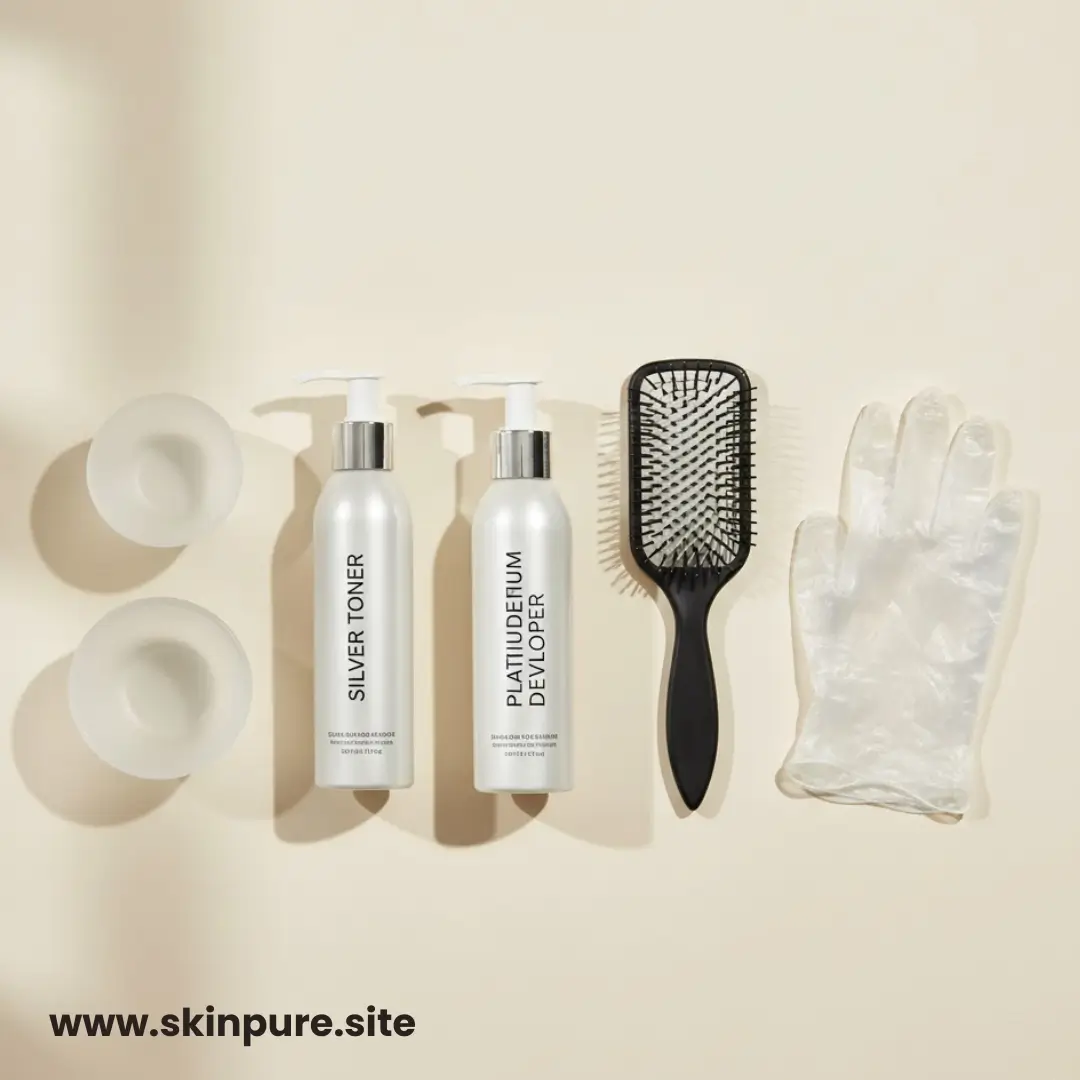
We have to first get an idea of what toner is before we proceed to discuss damage. Toner is not a shampoo and neither is it a fancy salon word. It is a tone-corrector product that brings a life to your hair tone, especially when it gets lightened.
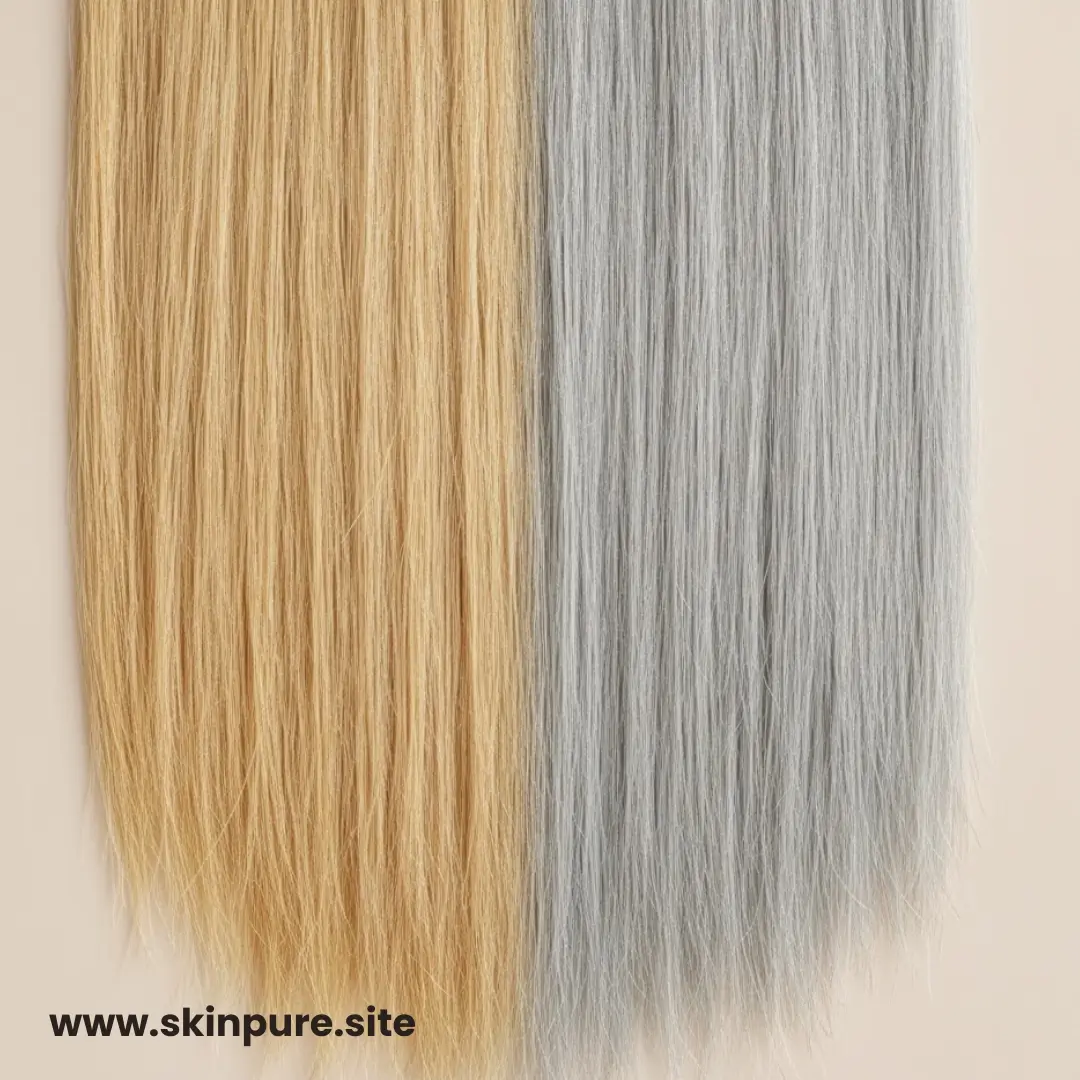
When you bleach or dye your hair, the hair takes up undesired undertones (yellow, orange or red). Toner removes these tones to make you have the cool blonde, ash brown or silvery color you want. Imagine it was a photo filter – it does not alter your hair structure but only changes the appearance of the color.
The Real Job of Toner
The primary occupation of Toner is to adjust your hair color. That’s it. It does not make it light or dark, it balances the colour.
The Hair Toners you will encounter.
- Permanent toners – last longer and are typically employed by stylists.
- Demi-permanent toners -These are normal and light, and they fade over time.
- Purple/blue toners or shampoos -These are the pigment-depositing products that assist in cancelling brass between visits to the salon.
- Glosses or color refreshing treatments -Add tone and shine, usually conditioning agents.
The Question is, why do people apply toner on their hair?
Have you ever checked yourself in the mirror after bleaching and then you wondered why is my hair banana yellow, then you have the reason why toner was invented.
For That Fresh Salon Finish
The last step in coloring is the use of toner by professional colorists. It is what makes blonde hair appear creamy, rather than yellow. In the case of brunettes, it neutralizes undesired red or orange warmth. It is as if you were polishing your color – you might omit it, but you would forfeit that costly appearance.
Also Read: Why Dust in Hair Happens and How to Stop It
For Fixing Brassiness
Brassiness occurs as the natural color begins showing through because the color fades off. To remove those brassy tones, Toner places pigments on his work that cancels those colors (purple cancels yellow, blue cancels orange). Elementary science, vast disparity.
Does Toner Damage Hair? (The Straight Answer)
Alright, so here is the fact of things, toner does not harm hair. The formula does not burn or fry your strands per se.
It is the use of it that brings the real damage.
The Short Version
When you have already healthy hair and you apply toner in a proper manner, you are safe. Yet when you have bleached your hair within an inch of its life even the gentle toners are able to tip it over the edge.
What Is Potentially Harmful about Toner.
The danger zone appears when:
- A high-volume developer (more than 10 or 20 volume) is used by you.
- You leave toner running excessively.
- You over tone, put on too many chemicals.
- You use toner to dry out or oily hair which has gone through too much processing.
When this occurs, your hair cuticle will not be able to take any further exposure to chemicals- and you have a breakage, dryness or roughness.
The Toner and Hair Health Science
Hair toners typically include a developer (a liquid based on peroxide) that assists in opening your hair cuticle a little in order that the pigment molecules could enter.
How Toners Work Chemically
The toners neutralize the pH level of your hair and add pigments.
Peroxide breaches the cuticle a little way, and toner pigments are deposited on the inside. The resultant molecules after the process cancel out the undesirable tones.
Also Read: What Does Purple Shampoo Do to Red Hair Truth
What Goes on in Your Hair Shaft
The thing is as follows: with each opening of the cuticle, it loses some moisture and protein. This is why constant chemical treatment – even gentle toning – can ultimately strengthen the structure in case you are not replacing what you have lost with deep conditioners or bond builders.
Where Toner in actuality damages
It is the context and not the toner.
Over-Toning and Protein Loss
Protein may be lost out of the cuticle by repeated toning (particularly following bleach). That is when your hair is mushy when wet or crunchy when dry both are bad.
Using the Wrong Developer
A 20 volume developer is so strong that toning will not occur unless you are toning color as well. Refreshing the tone with no-peroxide or 10-volume does not damage it.
Coating on Split or Fried Hair
Even a demi-permanent toner will dry out a weak hair, even if it is already in a bad state. It is the same as trying to paint a broken wall – the background is not firm.
Toner Is Sometimes Vital (Yes, Indeed)
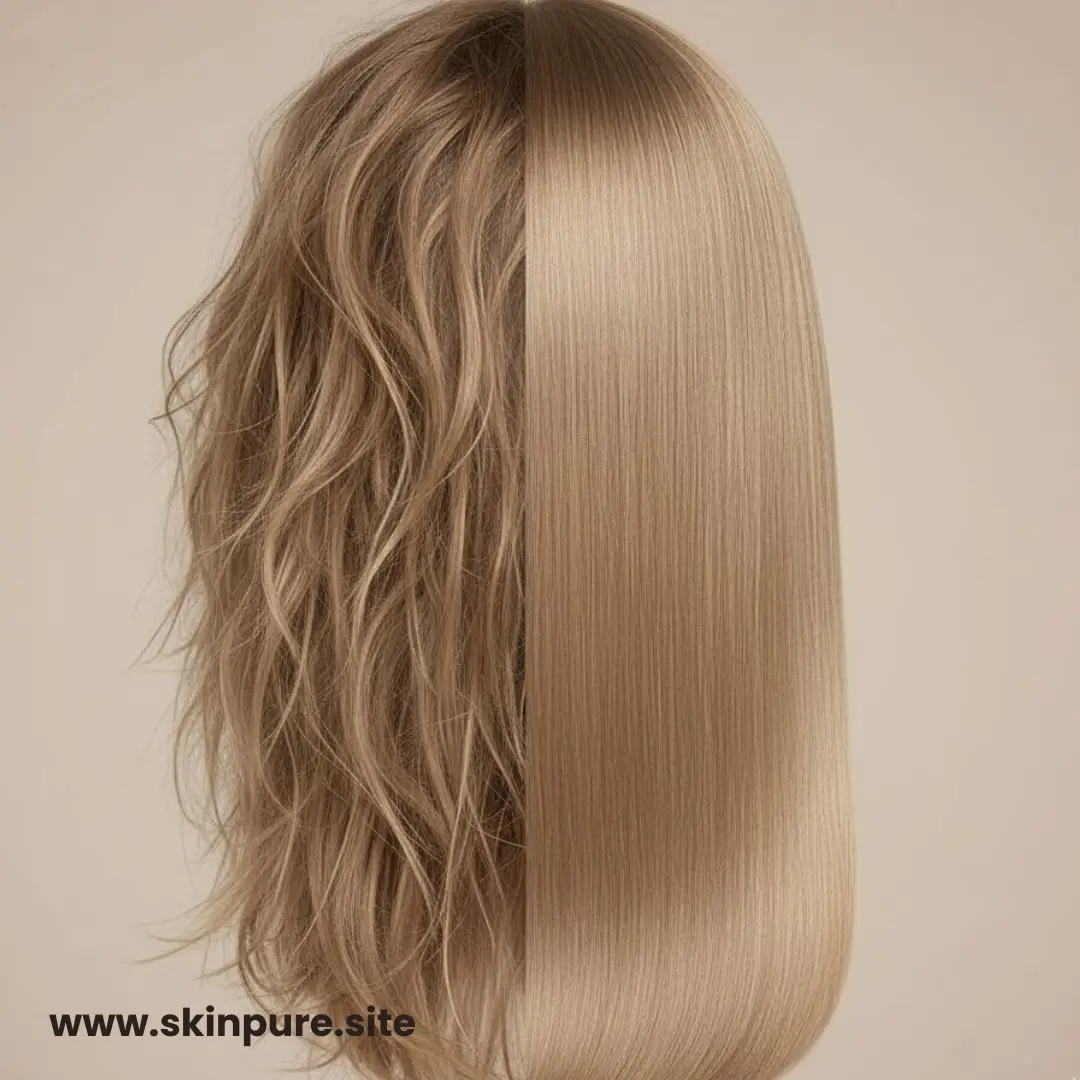
Toner when applied correctly can result in making your hair healthier
Adds Shine and Balance
Glossing agents are commonly used in modern toners and close the cuticle partially, which results in a higher reflection of light. This is why the haired-up hair appears shiny and smooth – although no healing may take place.
The Finding of Conditioning Toners.
Various brands of salons contain oils, amino acids or keratin in their toners (such as Redken Shades EQ or Wella Color Charm). These formulas finger-train and get glow, hence shine with no vicious lift.
Also Read: What Is Bleach Bath for Hair Step-by-Step Guide
Toninger Tip: How to Toner Your Hair without ruining it
The following is the practical section – the way to tone safely at home.
Prep Smartly
First look after the condition of your hair. In case it is brittle, begin with a bond builder (such as Olaplex No.3) and then tone. Do not put the freshly bleached hair under the sun without giving the hair at least a few days to rest.
Choose the Right Developer
Stick to 10 volumes or less. A deposit-only toner or ammonia-free toner would be preferable only to refresh tone.
Follow Up With Hydration
It should always be deep-conditioned afterward. Find such ingredients as shea butter or argan oil and panthenol. Lightweight oils and leave-in conditioners will help to make your cuticle smooth.

Salon Toner vs. At-Home Toner — What’s Safer?
A toner in a stylist will always prevail in the field of being more precise, but at-home could be risky, provided you are aware of your capabilities.
What Pros Do Differently
Stylists test the porosity of your hair, blend the individual ratios of the custom pigment, and have the timing fine to the point. They also verify the under-tone – cool, neutral or warm, and thus your outcome seems natural.
When DIY Can Go Wrong
Excessive exposure to toner or the use of excessively high concentrations of the developer, or an overlapping of previously toned hair, may result in breakage or less than optimal results. Whenever in doubt, a strand test should always be done.
Also Read: Is Hair Color Remover Bad for Hair Find Out Here
Toner vs. Purple Shampoo – Are they one and the same?
Nope. They appear to be the same in intent yet behave in the opposite way.
The Key Difference
Toner: Develops and literally alters the tone in the hair shaft.
Purple shampoo: The color is deposited on the surface only – no developer, no chemical reaction.
When to Use Each
Toner is to rectify great brassiness. Purple shampoo is used in between toning. When you are using purple shampoo, it can be just every few months before you have to tone.
What to Be Wary of and What to Adore
Potential Irritants
Avoid toners that contain:
- Drying (vapour of disparate hair) and harsh (vapour of thin hair) Ammonia.
- High peroxide levels
- SD alcohol or denatured alcohol (has the ability to make it dry)
Hair-Loving Additives
Look for toners with:
- Argan or coconut oil (moisture)
- Keratin (strength) hydrolyzed.
- Panthenol or glycerin (softness)
- Ceramides (cuticle repair)
Conditioning bases in such brands as Redken Shades EQ Gloss, Wella Color Fresh, and dpHUE Gloss+ reduce damages.
Also Read: Why Hair Feels Waxy and How to Fix It Fast

How to fix it when toner ruined your hair
When you tone and your hair is rough following that, there is no need to panic because you can still salvage it.
The First 72 Hours
It is not recommended to wash, brush wet hair, or heat. Put on a deep-conditioning mask (such as Briogeo Don’t Despair, Repair or Olaplex No.8) and leave your hair to dry off.
Restoring Relationships and Resilience
The internal links of your hair are reconstructed by bond repair treatments (Olaplex, K18, Redken Acidic Bonding). Use once a week.
When to See a Professional
As soon as your hair begins snatching or is gummy when wet, get to a hairdresser and have it trimmed and restored.
What is the Maximum Time You Can Spend Toning?
Safe Frequency depending on the Hair type.
- Bleached blonde: every 6–8 weeks
- Highlighted hair: every 2 or 3 months.
- Brunette or gray hair: 3–4 months
Spot-Toning and Full Application
You do not necessarily have to do your hair every time. All you need to do is to pay attention to the brassy parts in order to minimize the contact with chemicals.
Stylist Insights (Supported by Research) Dermatologist
According to board-certified dermatologist Dr. Corey Hartman, peroxide-based products may also cause the skin cuticle to become temporarily rough and that is why hydration and pH-correcting conditioners are necessary after.
According to colorist Tracey Cunningham (the one who gave Jennifer Lopez her highlights), the actual trick to the healthy toned hair is to never tone on the newly bleached hair, without letting it rest and rehydrate first.
It has also been studied in the Journal of Cosmetic Science that high-alkaline products (such as bleach or ammonia-based toners) make hair porous, and prone to breakage. This is the reason why pH-balanced toners are safer in the long-run.
Also Read: How to Tell If Someone Has Perm Easy Signs
My Frank Opinion — When to Use Toner (and When to Do Without It)
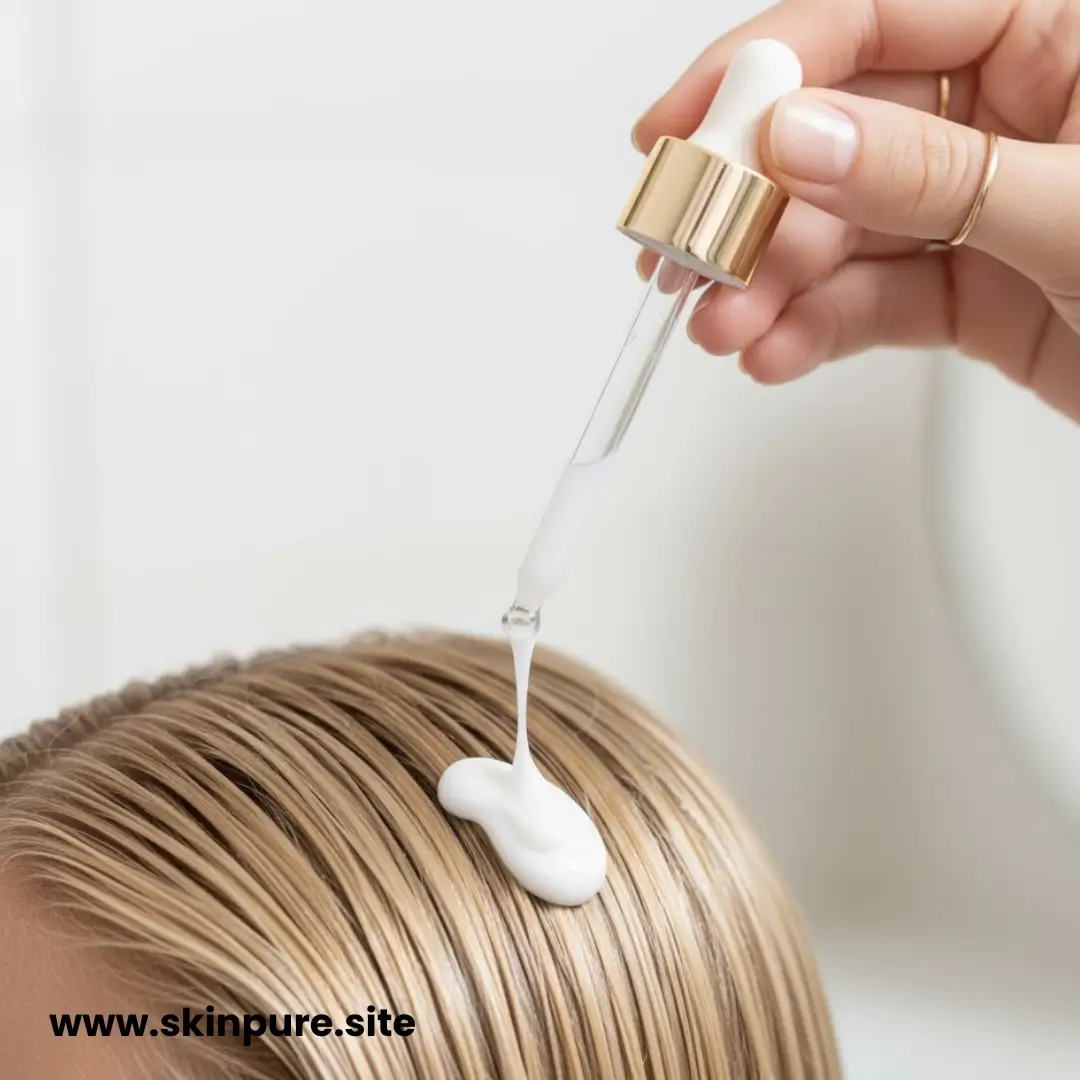
Toner is a must, in case your hair is brassy, dull or uneven. It is able to make your color come off as either meh or magazine cover.
However, when you have weak hair or have had it bleached, then avoid it. The first thing is to strengthen and hydrate. Toning later is always possible – healthy hair gets color better, anyway.
Concluding Statement — Keep Your Hair, Keep Your Colour
Toner isn’t the villain. It is more of that well-intentioned friend who needs to be put in perspective. Used correctly, it makes you look better, and it shines and puts the salon touch on you. However, in case of abuse, it will make your hair straw instead of silk within no time.
The moral of the story is, the next time you tone, be sure to remember: soft developer, good preparation and extensive hydration afterwards. And there is the true secret of toning damage-free.
Also Read: Toner on Wet or Dry Hair What Works Best
Frequently Asked Questions regarding Toner and Hair Damage
- Is it any worse than toner will make my hair fall out?
Not directly. Toner does not have any impact on the health of the scalp or hair root. Nevertheless, when you have more than processed hair, the shaft may break, which may appear as loss of hair.
- Can purple shampoo be considered safer than toner?
Yes, since purple shampoo does not have peroxide. It will never open your hair cuticle but it will only leave pigment on the surface.
- To which length of time must toner be applied to my hair?
The process usually takes 5 or 20 minutes: again, it depends on the brand and the color you are starting with. Always test your strands after every few minutes – toners do not burn away.
- Can I tone damaged hair?
You can, but you shouldn’t. Apply protein and moisture solution repair and then any chemical toner.
- What will occur on condition of using toner and no developer?
It will neither activate nor deposit pigment rights. The outcome will be unequal or hardly noticeable.
- Can I tone my hair every week?
No. That’s too often. Unless advised or suggested by your stylist, stick to once a month, 6 or 8 weeks.
- What is the most appropriate toner over blonde hair that will not cause harm to it?
Test Redken Shades EQ, Wella Color Charm T18 or dpHUE Gloss + – all soft and conditioning.
- I cannot even know whether or not toner is ruining my hair.
When hair is dried or tangled and fragile after toning it is the indication of cuticle wear. Quit toning and emphasize on hydration.
- Is it possible to have natural or ammonia-free toners?
Yes! Other brands such as Kristin Ess, Overtone, and Wella color fresh offer ammonia-free and semi-permanent products that are mild.
- What is the solution to over-toned hair or gray-looking hair?
Shampoo with clarification shampoo once or twice, and deep condition. Glosses with warm colors can be used to counteract too much ashen color.
Bottom line: Toner does not need to ruin your hair, it is just a matter of the way you use it. Wash your hair as it is cloth, soft, with little chemicals and lots of water. That is the way you ensure you keep your voice fresh and your hair healthy.