





Electrolysis vs Laser Hair Removal
Have you ever had one of those friends who is constantly experimenting with beauty products? That was me.
Table Of Content
- Electrolysis vs Laser Hair Removal
- 1. Should we talk about Hair Removal: Why Does This Debate Even Matter?
- 2. What is Laser Hair Removal, and what is it?
- 3. What Is Electrolysis?
- 4. The Science of the two treatments
- 5. Effectiveness: Which One is More Effective?
- 6. Time Devotion: Timings of How Long
- 7. Pain Level: What It Really Feels Like
- 8. Break-even Cost Breakdown: What You Will Spend (and You Will Save)
- 9. Skin color/Hair color: Why It Matters
- Both of the treatments are safe in the care of trained professionals
- 11. Maintenance: Can It Ever Be Permanent?
- 12. Choosing What’s Right for You
- 13. Real-Life Performance: Narratives and Facts
- 14. Aftercare: Skin Care: Keeping Your Skin Calm and Smooth
- 15. Concluding Remarks: The Answer to Which Is Better
- Frequently asked questions: Electrolysis or Laser Hair Removal
- In short
Waxing, shaving, sugaring, epilators – you name it, I have done it. However, at some point, as any other person who is fed up with prickly growth, I came to the great question: Electrolysis vs laser hair removal which of the two actually works?
When you have found yourself in the same Google rabbit hole, it is your no-fluff, straight-talk guide.
We will deconstruct the working mechanism of both, what is painful, what is long-lasting, and what is worth your time and money- all based on science and experience.
1. Should we talk about Hair Removal: Why Does This Debate Even Matter?
Shaving is a quick method, although it grows within a day. Waxing is long lasting, but painful, messy and temporary. As soon as permanent hair removal is mentioned, people lean forward.
Electrolysis and laser hair removal fit in that. Neither are they the same thing but they are both long term solutions.
One is light and the other electricity. They both do the same, which is to make the skin smoother, however, they do it in entirely different ways, and that is what makes it so confusing.
Let’s simplify it.
2. What is Laser Hair Removal, and what is it?
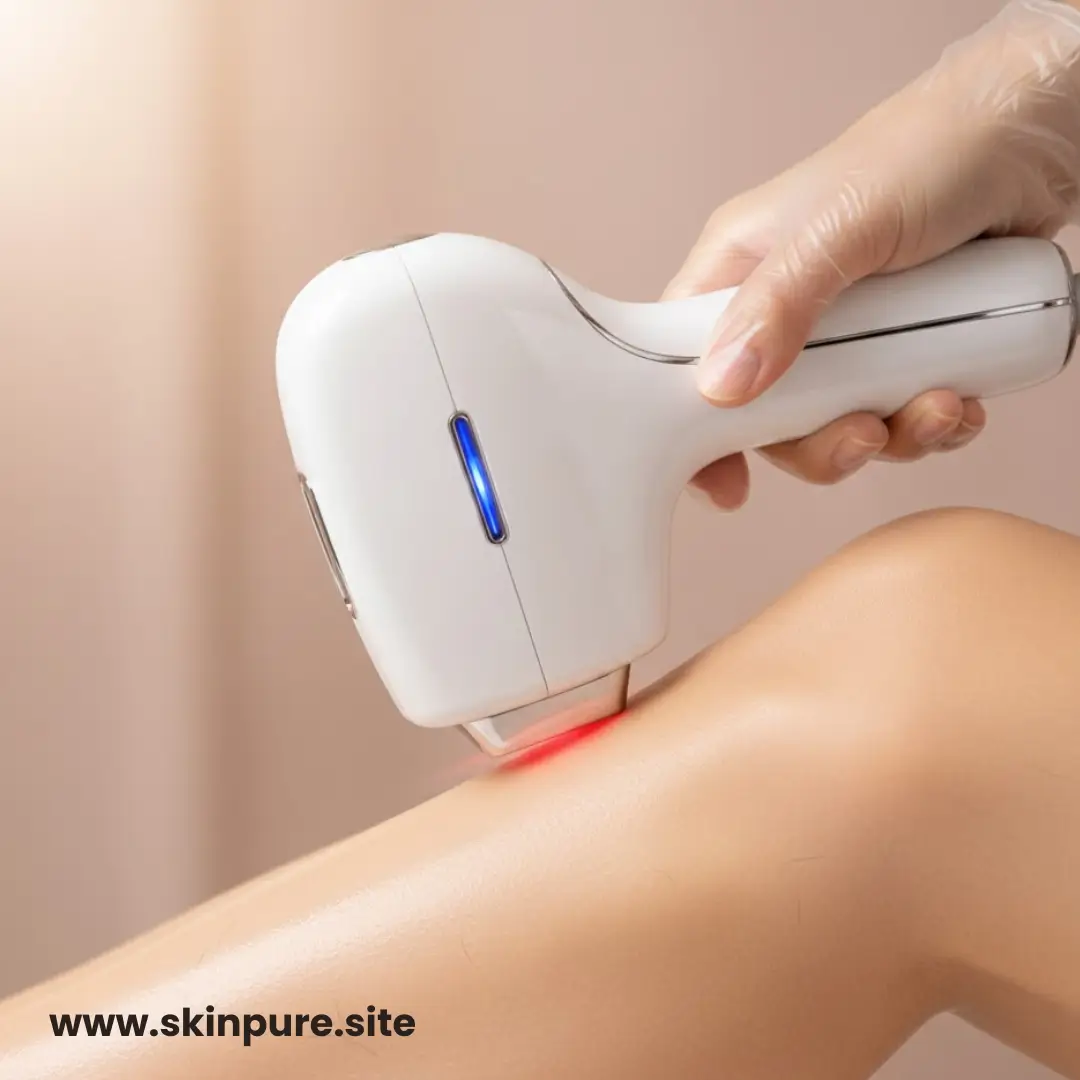
Laser hair removal involves the use of focused light to peel the pigment (melanin) in your hair follicle. As the light reaches the pigment, it overheats and destroys the follicle- enough to retard or prevent future growth.
Imagine it to be a laser which burns several hairs at once. This is why Laser is very popular with bigger parts of the body such as legs, arms and under arms.
It is quick, fairly comfortable and a serious reduction will be seen after a couple of sessions. However, here is the problem: the laser requires contrast.
It is effective when the hair is dark and the skin is light as the difference between the pigmentation provides the laser with an easy target in the hair.
Despite being a relatively recent development, the concept of cosmetic surgery has gained broad acceptance, with the majority of people familiar with it.<|human|>Although the idea of cosmetic surgery is a comparatively new phenomenon, it has been widely accepted by the general population, and most of them are well-informed about the topic.
Also Read: What Is Bleach Bath for Hair Step-by-Step Guide
3. What Is Electrolysis?
Electrolysis is an old-fashioned business to-day, but in the best sense. It is as old as the late 19th century and remains the sole FDA-approved permanent removal method.
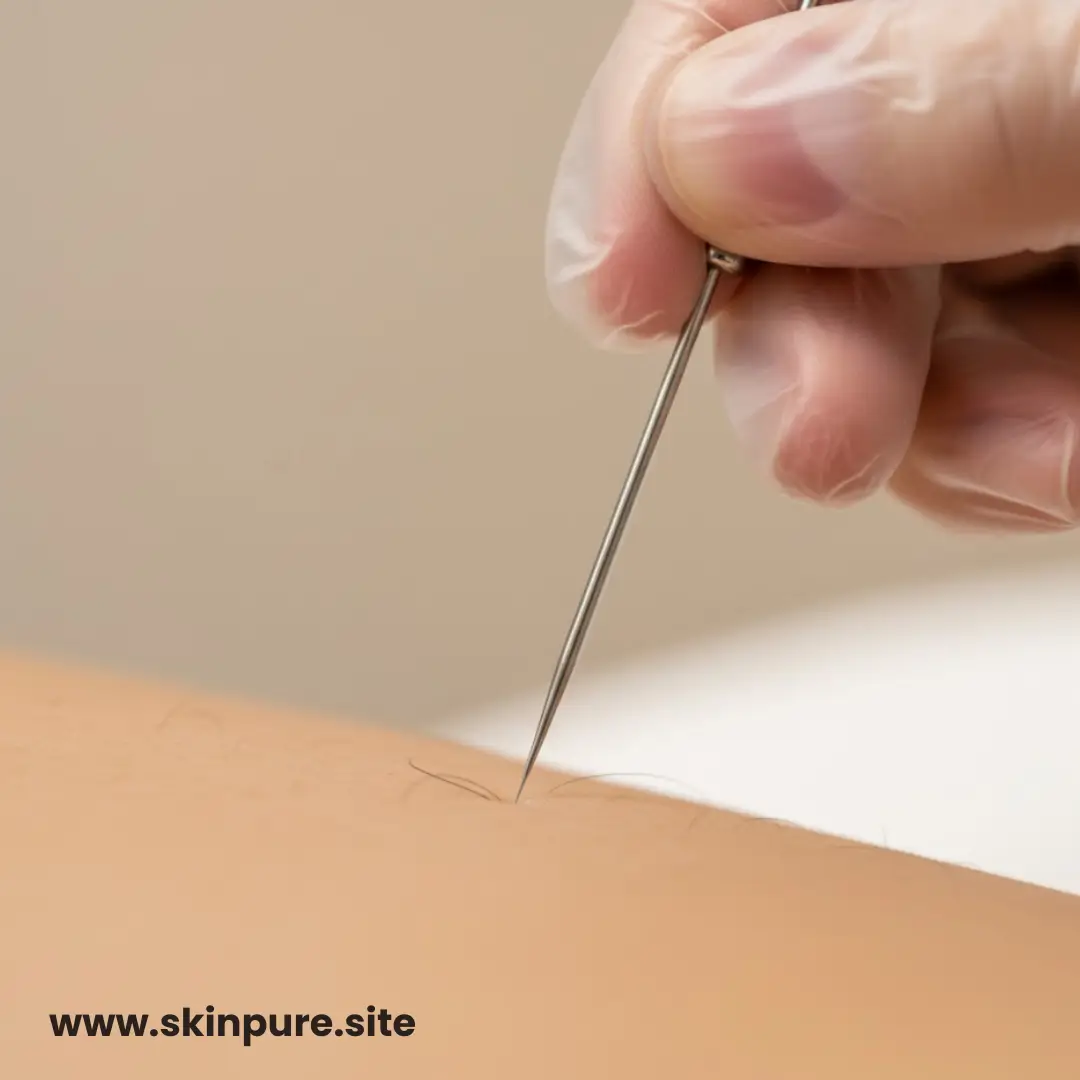
The procedure involves the following: a micro-thin probe (thinner than a hair) is inserted into the follicle and a brief surge of electric current is passed through it destroying the hair root. The follicle cannot develop new hair again as it has been treated.
There are a few types:
- Galvanic: Chemical reaction is used to destroy the follicle.
- Thermolysis: Radiofrequency heat used.
- Blend: This is a combination of the two approaches in order to achieve quicker and better outcomes.
Electrolysis, as opposed to laser, does not pay any attention to your hair or skin color. Blond, red, gray or dark–it suits them all.
Nonetheless, the situation is more complex than that since the consequences of the act differ based on how it is carried out.<|human|>However, it is not so simple because the effects of the act vary depending on the way it is performed.
4. The Science of the two treatments
- Laser = light.
- Electrolysis = electricity.
- That’s the short version.
- However, momentarily being a bit nerdy:
The melanin in the hair absorbs laser energy. Such heat kills the follicle but does not take it away altogether in a single session. It is not complete removal and permanent.
Electrolysis, however, kills the growth center (the matrix) of the follicle directly. Once it’s gone, it’s gone.
This is the reason why it is slower with each hair that is electrolyzed–but permanent.
Also Read: How to Brighten Skin with Eye Cream Fast
5. Effectiveness: Which One is More Effective?
The simple fact is as follows, they both work, but towards different purposes.
Laser is your friend in case you desire to get an instant result and you are of dark hairy. Reduction will be observed in 2-3 sessions.
Electrolysis wins, should you wish it to be removed permanently, and even be content to wait. It deals with each and every hair, regardless of its color.
In 2019, a review in the Journal of Cosmetic Dermatology has attributed laser to hair reduction of up to 8090 percent following multiple sessions, whereas electrolysis has given full results with appropriate follow-up.
So it’s not about “better.” It is regarding what is good in you.
6. Time Devotion: Timings of How Long
Lasers are quick. An entire leg session could last 45 minutes. Underarms? Maybe 10. Approximately 6-10 sessions will be required of you with intervals of about 4-8 weeks.
Electrolysis is slower. Zapping of each of the follicles. Well that will do all right in small places, such as the upper lip or the chin–but legs full? It might require months of several hours.
But when you have electrolyzed that, you cease to do it afterwards. Laser requires a regular service once a year or two.
Also Read: How to Tell If Someone Has Perm Easy Signs
7. Pain Level: What It Really Feels Like
To tell the truth, both of them do not seem like a soft massage.
Laser is as though a fast rubber band snap and then you get a burst of heat. Cooling gels or numbing creams are used in the majority of clinics, and the pain is gone quickly.
The process of electrolysis is more of pinpricks or stings. It is also slower and, therefore, more unpleasant, particularly on sensitive parts of the body, such as the upper lip or bikini.
Nevertheless, each is absolutely acceptable- particularly when you visit somebody with talent.
(Pro Tip: You should not have caffeine before your session; you can end up being more sensitive on your nerves).

8. Break-even Cost Breakdown: What You Will Spend (and You Will Save)
We should discuss money as this is a major factor.
Laser Hair Removal:
- Per session: This varies between 150 and 400 dollars per session depending on the area.
- Cost: $1,000-2,500 to the majority of individuals who have gone through 6-8 sessions.
Electrolysis:
- Session fee: $30-100 (although there are numerous sessions)
- Total: Small areas would cost between 1200 and 3000, larger ones even more.
On the surface then the laser appears cheaper. However, it can be evened over time in case of hair growth or maintenance. Electrolysis is not as costly but permanent.
All these measures are taken to minimize risks and guarantee the success of the treatment procedure.<|human|>All these are done to ensure reduction in risks and ensure success of the treatment procedure.
9. Skin color/Hair color: Why It Matters
Laser loves contrast. Dark hair + light skin = perfect. The pigment can be well observed by the laser.
However, when you are dark, regular lasers occasionally malfunction and strike skin color rather than hair causing burns or discoloration.
Newer lasers such as Nd:YAG and diode lasers are safer at deeper tones however.
Electrolysis does not give a damn about color. It acts on all people equally such as gray or reddish hairs which lasers usually fail to cover.10. Safety Side Effects What is normal and what is not.
Also Read: Does Cold Make Leg Hair Grow Faster Truth
Both of the treatments are safe in the care of trained professionals
Normal side effects:
- Mild redness
- Slight swelling
- Achy or hotness during some few hours.
Less common but possible:
- Blisters (laser)
- Pigmentation changes (laser)
- Little scabs or redness (electrolysis)
Burns or uneven results are more likely to be observed when it is inexperienced or the equipment used by your provider is old. Sixty-three and sixty-four: never leave without investigating their credentials and inquiring about the type of devices.
(Note: Certified electrologists or hospitals under the care of board-certified dermatologists are to be found)

11. Maintenance: Can It Ever Be Permanent?
Here’s the nuance:
Laser = Permanent reduction.
Permanent removal= Electrolysation.
Laser is debilitating to follicles though some follicles heal with time, particularly whenever hormones are not at a constant level (such as post-pregnancy or PCOS).
The entire destruction of every treated follicle occurs through the electrolysis process and thus it is only through the formation of new follicles that regrowth will occur and not the old follicles coming back.
That is why lots of people use lasers initially to bulk remove and then lastly with electrolysis to break up the leftovers.
12. Choosing What’s Right for You
Before you make your decision, ask yourself these few questions:
- You want it fast or do you want it permanent?
- What type of skin do you have and what color is your hair?
- Time (patience) is a question of how much.
- Are you also alright with many short sessions or less long ones?
When you have dark and thick hair, use a laser. Electrolysis is the best choice in case you have lighter or gray hair. And in between you happen to be? Combine both.
Also Read: What Does Purple Shampoo Do to Red Hair Truth

13. Real-Life Performance: Narratives and Facts
I have heard of women with PCOS who had a rough chin hair, which laser reduced, however, the Electrolysis eventually removed it.
Conversely, my friend, Sara, lasered her legs five years ago and has not held a razor since that time.
The greatest misjudgments individuals commit?
- Missing meetings (“I will do it in a month or so!
- Visiting unqualified technicians.
- Failure to adhere to aftercare directions.
It is everything about consistency and good aftercare.
14. Aftercare: Skin Care: Keeping Your Skin Calm and Smooth
Immediately after a session, you have an irritated skin you need to treat as a healing sunburn.
Do:
- Use a soothing and cooling gel of aloe vera or a mild cream.
- Apply non-scent perfumed moisturizers.
- Wear SPF daily
Don’t:
- Touch or pick treated areas
- Take exfoliants or retinol 3-5 days.
- Take 24 hour saunas or hot showers.
Dermatologists may prescribe such products as CeraVe Healing Ointment, La Roche-Posay Cicaplast or Avene Thermal Water as the post-laser/electrolysis care.
15. Concluding Remarks: The Answer to Which Is Better
- That is the point: no one will win the debate over electrolysis or laser hair removal.
- Laser is quick, efficient and suitable on big spaces- however it is permanent reduction.
- He is slower and more precise–but permanently.
Consider them as partners, but not competitors. You can begin with a laser in order to thin and then work it up with electrolysis in order to refine it.
Smooth skin does not mean being perfect, it means that you are confident and comfortable in your own bodies. And either way you go, and either treatment will take you there.
Also Read: How to Dye Blonde Hair Black Without Green Tips

Frequently asked questions: Electrolysis or Laser Hair Removal
- Is permanent the true case of electrolysis?
Yes. Electrolysis has been identified by the FDA as the sole permanent mode of hair removal. It is not possible to have a follicle that was broken and then the hair will grow again.
- Is laser hair removal effective for everyone?
Laser is effective on dark hair and light skin. Nd:YAG and diode lasers are safer in case of deeper skin tones. But lasers have a problem with blond, red, or gray hair.
- Which one hurts more?
Electrolysis is like miniature pinpricks. Laser snacks of rubber band. They both are acceptable and numbing creams are useful.
- How many sessions do I need?
The normal duration of the laser is 6-10 sessions. Depending on the region and your hair growth cycle, electrolysis will require 15-30.
- Can I do both treatments?
Yes! It is the suggestion of many dermatologists that thick and dark hairs should be done with a laser, followed by electrolysis to remove lighter or finer ones.
- Is there any danger of darker skin tones?
Lasers may result in pigmentation problems when it is not done properly. Always select clinics that have experience on the treatment of darker skin. Electrolysis will not harm anyone color-wise.
- How soon will I see results?
Laser appears to reduce visibly within 23 sessions. The process of electrolysis is more time consuming but provides really permanent impacts in the long term.
- What’s the best age to start?
Once the hormones stabilize, usually 18 +. The teens who have hormonal hair growth (such as PCOS) ought to visit a dermatologist.
- Can I do it at home?
There are laser devices available at home, but they are slower and weaker. One has to be precise when it comes to electrolysis- it should be professional.
- What’s better for bikini hair?
Laser to thin and shape fast. Precision Clean up and permanent outcome of stray hairs by electrolyzing.
In short:
In a hurry to get noticeable results in a short time, do it with Laser.
Electrolysis is the thing to do, provided you are patient and do not mind being final.
However you will have a smooth skin future sooner than you imagine. ✨