





Gentle Care for Skin Cancer
Knowledge of Suing Skin Cancer
Once you have experienced skin cancer, your skin becomes different. — so is your relationship with it. The term, gentle care, is not a fancy expression, but the very basis of healing.
Table Of Content
- Gentle Care for Skin Cancer
- Knowledge of Suing Skin Cancer
- The Psychological Facet of Skin Cancer
- Common Broad Type of Skin Cancer and its implications to the Skin
- The Changing Skin following Cancer Treatment
- Cooking Oils that are less painful
- Top Skin Care Products to use after cancer
- Dermatologist Knowledge and Evidence-Based Practice
- Natural vs. Dermatologist-Formulated Skincare Comparison
- Habits of Lifestyle that help in healing of skin
- The Expected mistakes that people make after skin cancer
- How to Know When to Visit Your Dermatologist
- Living Confidently in your Skin Again
- True Testimonies of Healing and Hope
- Frequently asked questions on gentle care of skin cancer
- Final Thought
It is about you taking your skin like a sensitive after-storm garden, and not scrubbing it hard, not playing with it, not hurrying. You wish to raise the wall that was rounding around you.
Soft fabrics, soft cleansers, hydration, and protection are all known as gentle care. Since your skin will now be engaged in recovery rather than resistance.
Dermatologists usually advise the patients that it can be many months, or maybe even years before the skin becomes completely stable after cancer.
Dr. According to Melissa Levin, a New York dermatologist, the protective barrier in the skin turns thin, reactive due to surgery or radiation thus the products that once were loved may be stinging. That’s normal.
The secret here is to act on your skin and not on your skin.
The Psychological Facet of Skin Cancer
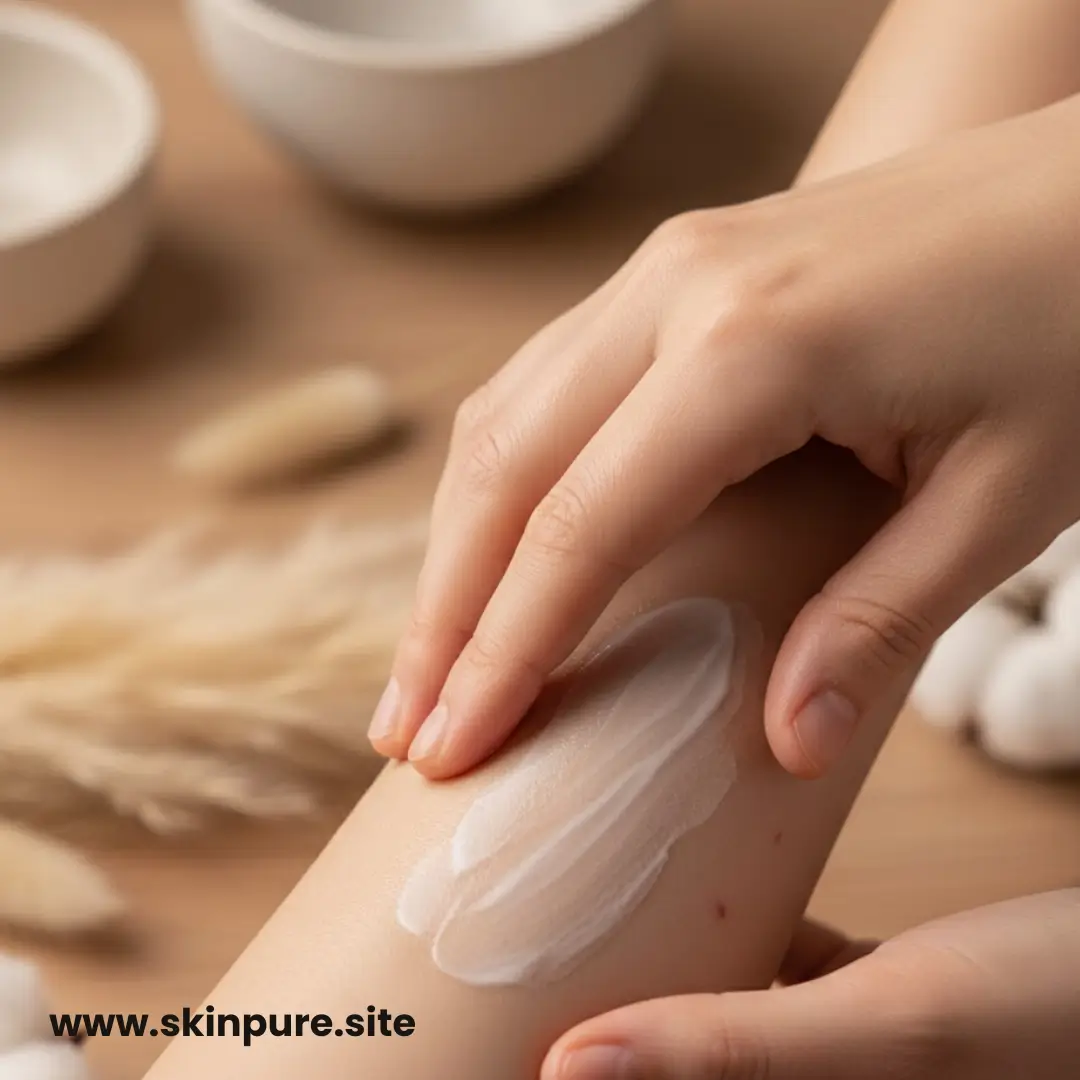
It is one thing to heal your skin but it is another thing to heal the way you feel about your skin. Mirror may be threatening following surgery or radiation.
Scars, redness or patches where none were previously have the ability to remind you of what you experienced. However, tender treatment begins with compassion, not only to the skin, but to yourself.
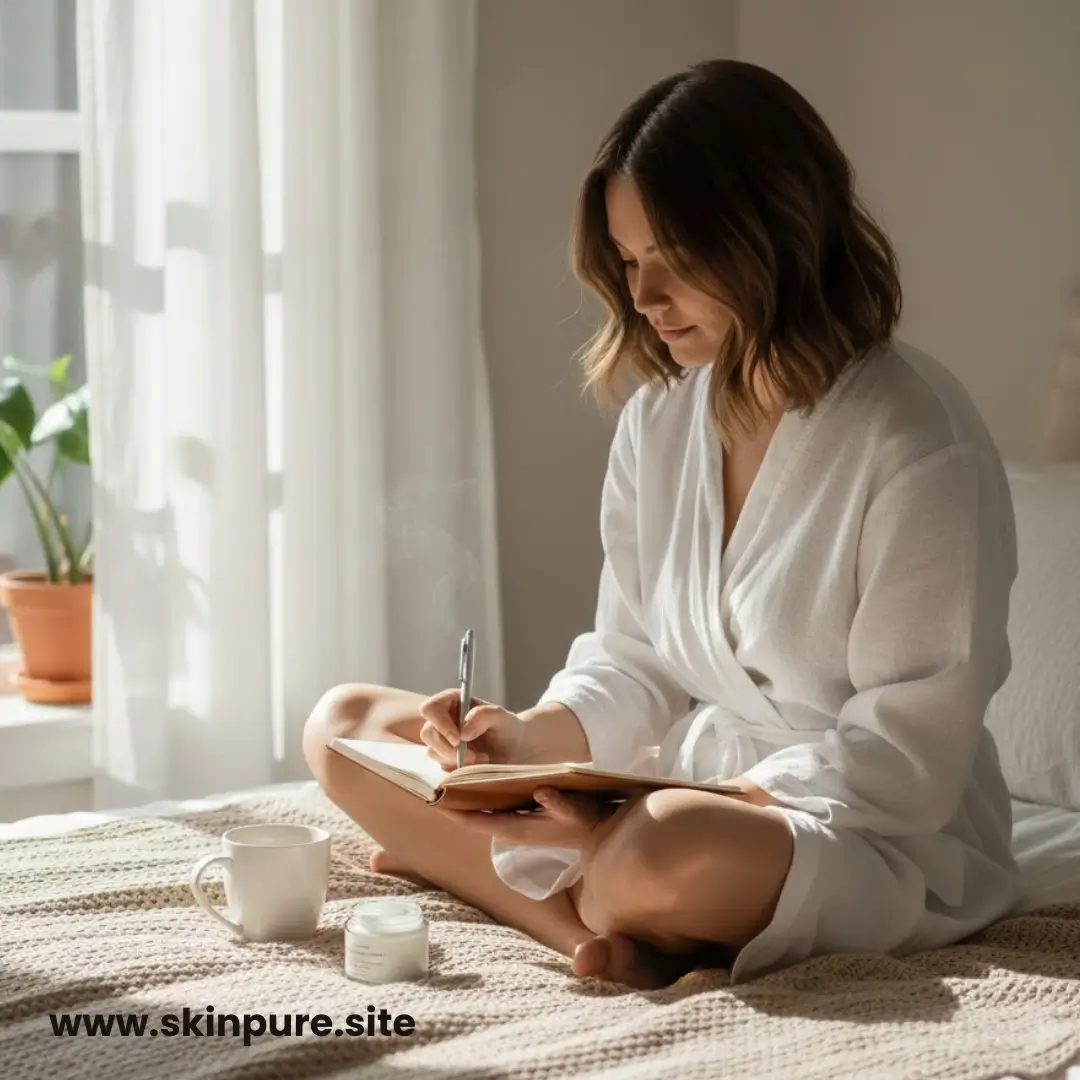
Most of the survivors indicate that building a calming skincare routine was part of their emotional healing. It is grounding to just apply moisturizer every morning.
You are saying how to your skin, I am still here, I am attending to you. Such an attitude change is the difference.
Common Broad Type of Skin Cancer and its implications to the Skin
Skin cancers do not always act in a similar manner – and that is why gentle care is not going to be the same thing to each and every person.
The most common one is the basal cell carcinoma. It develops gradually and normally does not propagate, but tends to manifest itself on exposed parts of the body such as the face or neck, when exposed to the sun. Removal results in a skin that is either sensitive or uneven.
Squamous cell carcinoma is a carcinoma resulting due to sun damage over years. It is scabbing, flaking or bleeding and the end result is coarse spots that require calm consistent hydration.
The most severe type is melanoma and it may cause both emotional and physical scars. It is aggressively treated since it is spread faster. The skin then may be numb and tight or tender because of scars of surgery or biopsies.
Realizing your type of cancer will help you decide how soft your skin must be.
Also Read: The Truth About Bikini Laser Hair Removal
The Changing Skin following Cancer Treatment
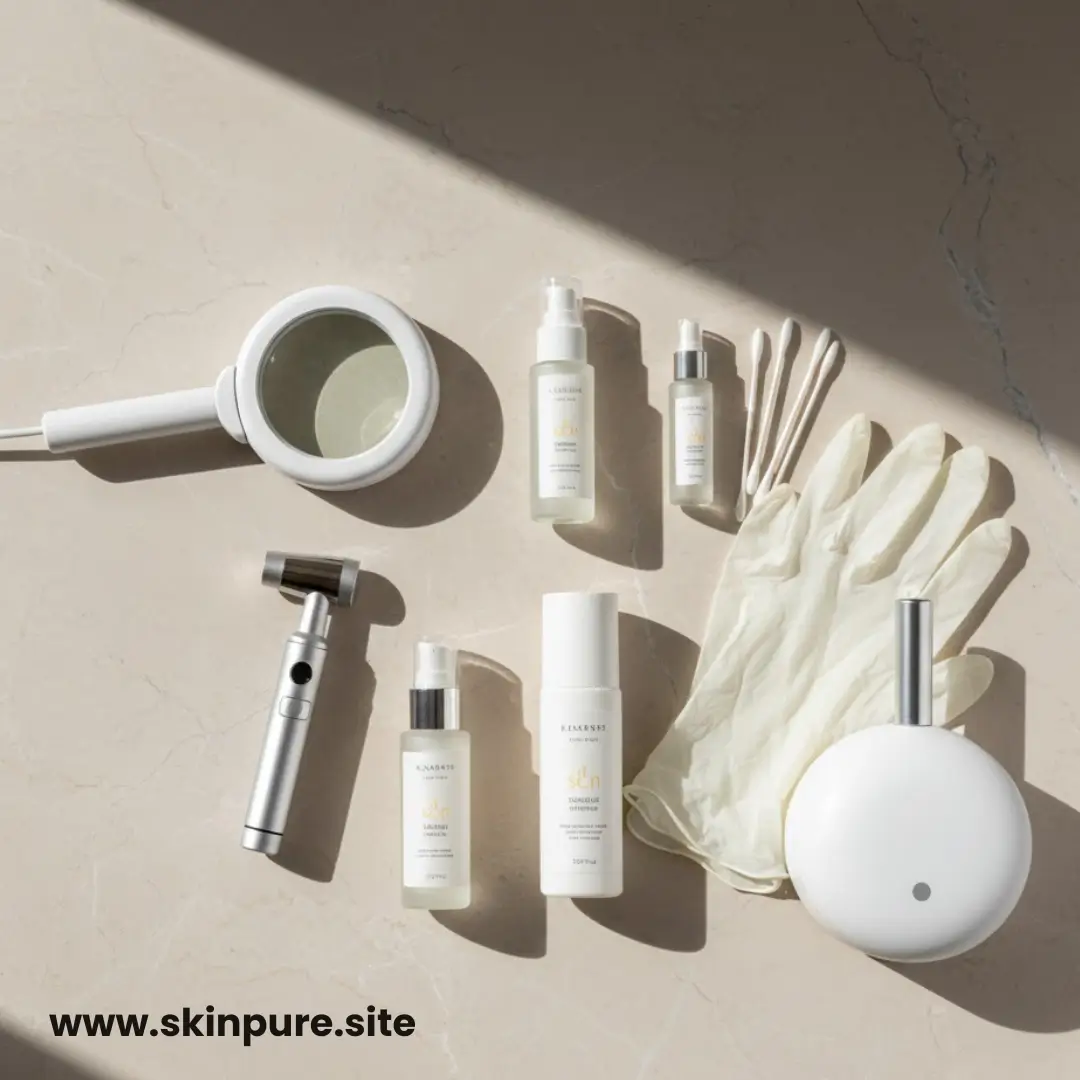
Radiation, chemotherapy, and surgery – each of them has different impacts on the skin. Radiation has the potential of making the skin dry, red and fragile.
Chemotherapy may result in peeling or sunlight sensitivity. Scars that may result in surgery should be handled with care.
Imagine that your skin is a wall that has passed through an earthquake. There are bricks missing, and those that are broken.
It is your task to restore without making the task more difficult. Then comes the soft treatment of it– mild stuff, forbearance and guard.
According to Dr. Angela Lamb, who works in Mount Sinai Hospital, post-treatment skin requires less, not more. Your skin is not desirous of activities; it desires tranquility.
Through the creation of a Caring Skincare Routine After Treatment, I managed to build a gentle post-treatment skincare routine and regulate the non-flare period more effectively.
Let’s talk about practical steps. And this is what the gentle looks like in the real world
Taking a shower, not removing clothes:
Get rid of ditch foaming cleansers and scrubbing brushes. Use creamy or milk cleansers which do not make the skin hard.
Good options would be CeraVe Hydrating Cleanser or Vanicream Gentle Cleanser which are both dermatologist approved.
Your new best friend is hydration:
Find moisturizers that are full of ceramides, niacinamide or hyaluronic acid. These ingredients restore your wall and put moisture into the wall.
Cicaplast Baume depicted in La Roche-Posay and Avene Cicalfate are cults among dermatologists.
Also Read: What Is Small Area Laser Hair Removal Explained
Provider of sun protection on a daily basis:
Even when it is on a cloudy day, even when you are inside. Apply broad spectrum SPF 30 or more which contains zinc oxide or titanium dioxide.
The sunscreens that are chemical may sting on sensitive skin. EltaMD UV Restore or Blue Lizard Sensitive Skin are some of the mineral formulae that are mild.
This has nothing to do with some extravagant 10 steps program, but rather regularity and ease.
Cooking Oils that are less painful
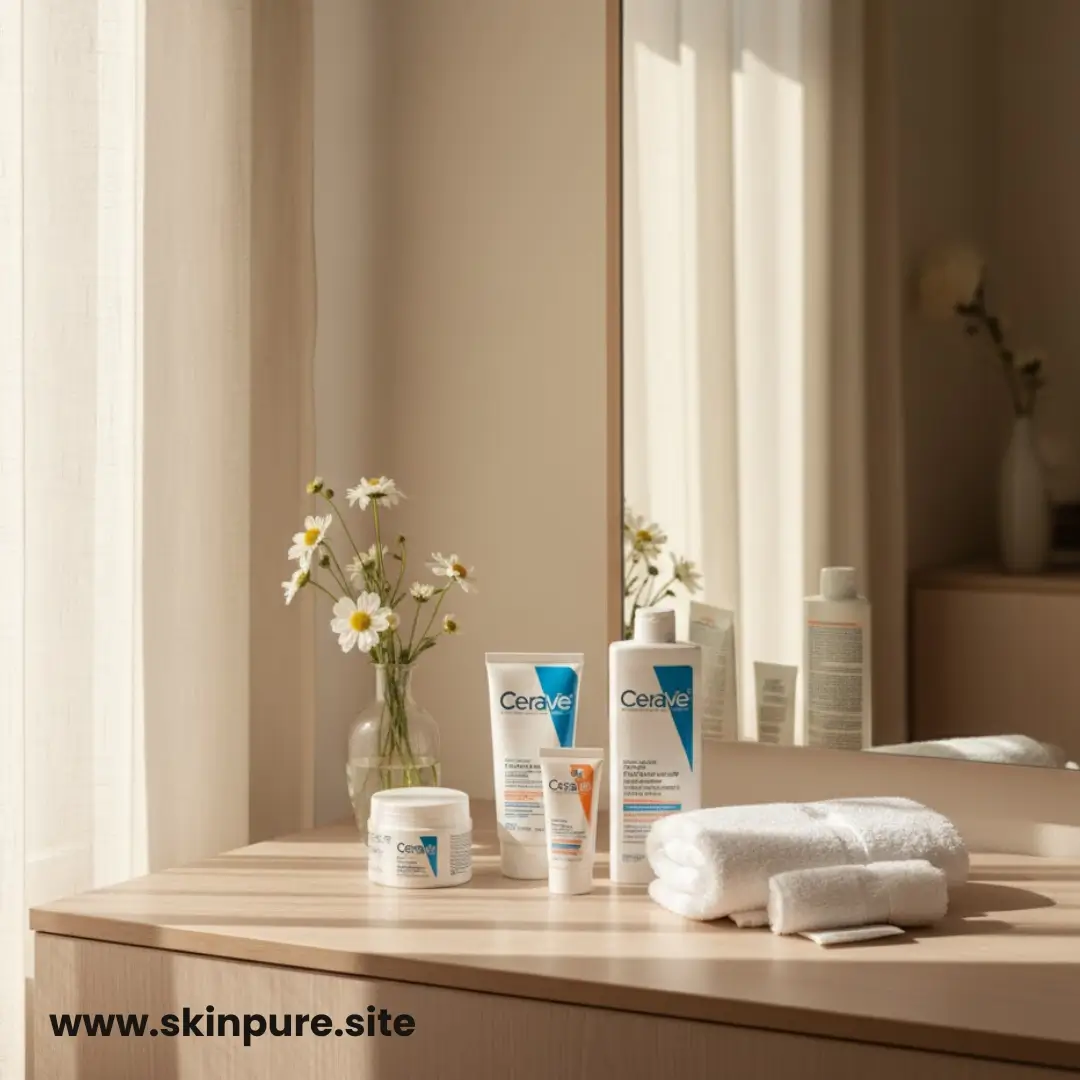
Ingredients are of paramount importance since skin cancer. You require restorative, relaxing, and refreshing, and not lightening or peeling.
Good ingredients:
- Aloe vera: she has a cool and calming effect.
- Niacinamide: increases the skin barrier.
- Ceramides: replacement of lost lipids.
- Panthenol: hydrates and repairs.
- Colloidal oatmeal: itching and reddening will lessen.
Ingredients to avoid:
- Alcohol (dries out skin)
- Smell (is irritating to the eyes)
- Retinol or acids (excessive strength after treatment)
- Essential oils (are allergic to some people)
The issue at hand in general: tingles and you are done. Skin healing does not require that it feels anything when using products, but rather nothing.
Top Skin Care Products to use after cancer
Let’s make this practical. These are some of the products, loved by dermatologists, which are not violating the rule of gentle care:
- Cleanser: Vanicream Gentle Facial Cleanser.
- Moisturizer Avene Cicalfate Restorative Cream.
- SPF: EltaMD UV Restore SPF 40
- Relaxing Shower: La Roche-Posay Thermal Spring Water.
- Night Repair: Eucerin Advanced Repair Cream.
They are fragrance-free, sensitive skin tested products that are very common. They are not miracle workers, they are underdogs of recovery.
Also Read: How to Brighten Skin with Eye Cream Fast
Dermatologist Knowledge and Evidence-Based Practice
There is one thing that the dermatologists stress on and it is the barrier is everything.
The skin will be able to cover itself when the barrier is healthy. Once it is torn, inflammation, infection and irritation creep in.
In a study in JAMA Dermatology, 2022, the authors determined that patients applying the barrier-repair moisturizers after radiation healed and itched less as compared to those who did not. That was some evidence that gentleness is not only soothing, but medically comfortable.
According to Dr. Shereene Idriss who is a board certified dermatologist, the process of healing is a marathon.
When a product will not irritate at all, it is not worth it. And that is the point of kind treatment: no short cuts, no pain-to-gain.
Natural vs. Dermatologist-Formulated Skincare Comparison
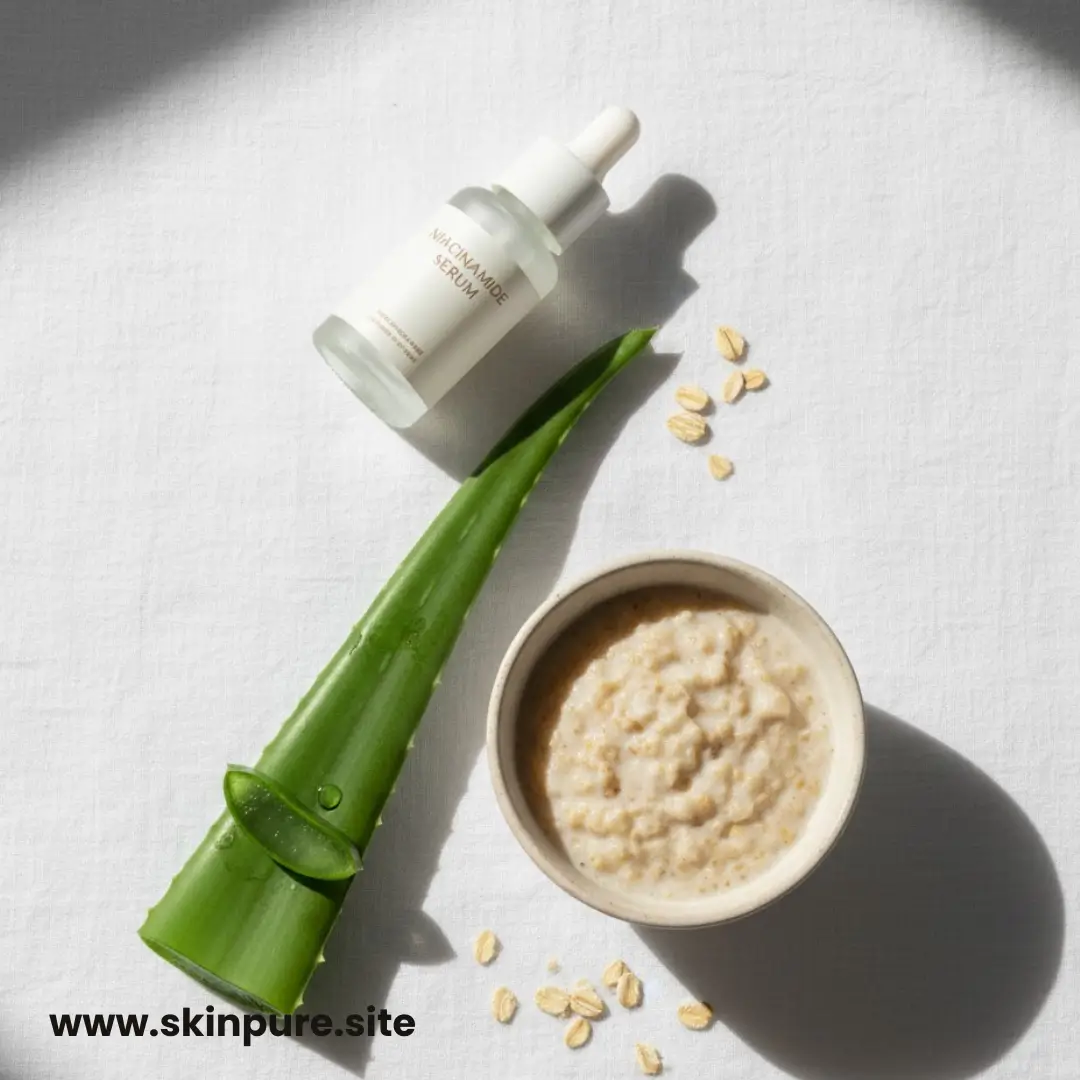
After skin cancer you may want to go all natural with the aloe in your garden or coconut oil, or make your own masks.
The pure sounds of nature, and not all that is of nature is tender. Raw honey, essential oils, and citrus extracts are the ingredients that can cause the inflammation of sensitive skin.
On the contrary, products developed by a dermatologist undergo sensitivity and stability testing. Nevertheless, the combination of the two worlds is possible. An example is the application of aloe vera gel of a reputable brand and a clinical moisturizer, which is good and protective.
The general rule of thumb, be it natural when it is proved gentle and not necessarily because it is natural.
Also Read: Is Apple Cider Vinegar Good for Sunburn Relief Truth
Habits of Lifestyle that help in healing of skin
Skincare starts inside. The kind of food that you consume and the habits that you maintain are even more important than many individuals think.
Anti-inflammatory foods: This category is full of omega-3s, greens and colourful fruits and it assists your skin to heal faster. Stars here are salmon, walnuts and berries.
It is during sleep that your body gets fixed. Cutting corners on it delays the healing of wounds. Flare of redness or itching may also be due to stress. Simple breathing exercises or even a simple walking can reduce the amounts of stress hormones that are damaging your skin.
And yes — water matters. Hydrated skin heals better. Limit your consumption to a couple of sips an hour, rather than the gallons at once.
The Expected mistakes that people make after skin cancer
There are other habits that make it difficult to recover without even knowing.
- Unnecessary to go back to exfoliants or retinols.
- Not wearing sunscreen, it is only a quick errand.
- Pat on your skin using a towel rather than patting.
- Not considering new moles or spots due to the fact that you are over with treatment.
Each of these can set you back. Your skin is getting back to knowing how to defend you — support it, not oppose it.
How to Know When to Visit Your Dermatologist
Regular check-ins are important even once the treatment has taken place. The majority of dermatologists suggest a complete skin examination of the body after every 3 to 6 months in the initial years. You should not wait, should you find new spots or color changes or scar pain and bleeding.
Prescription creams or silicone-based scar gels which make redness and texture less prominent can be suggested to you by your doctor as well. Consider them as high-level care of a professional level.
Also Read: Why Dust in Hair Happens and How to Stop It
Living Confidently in your Skin Again
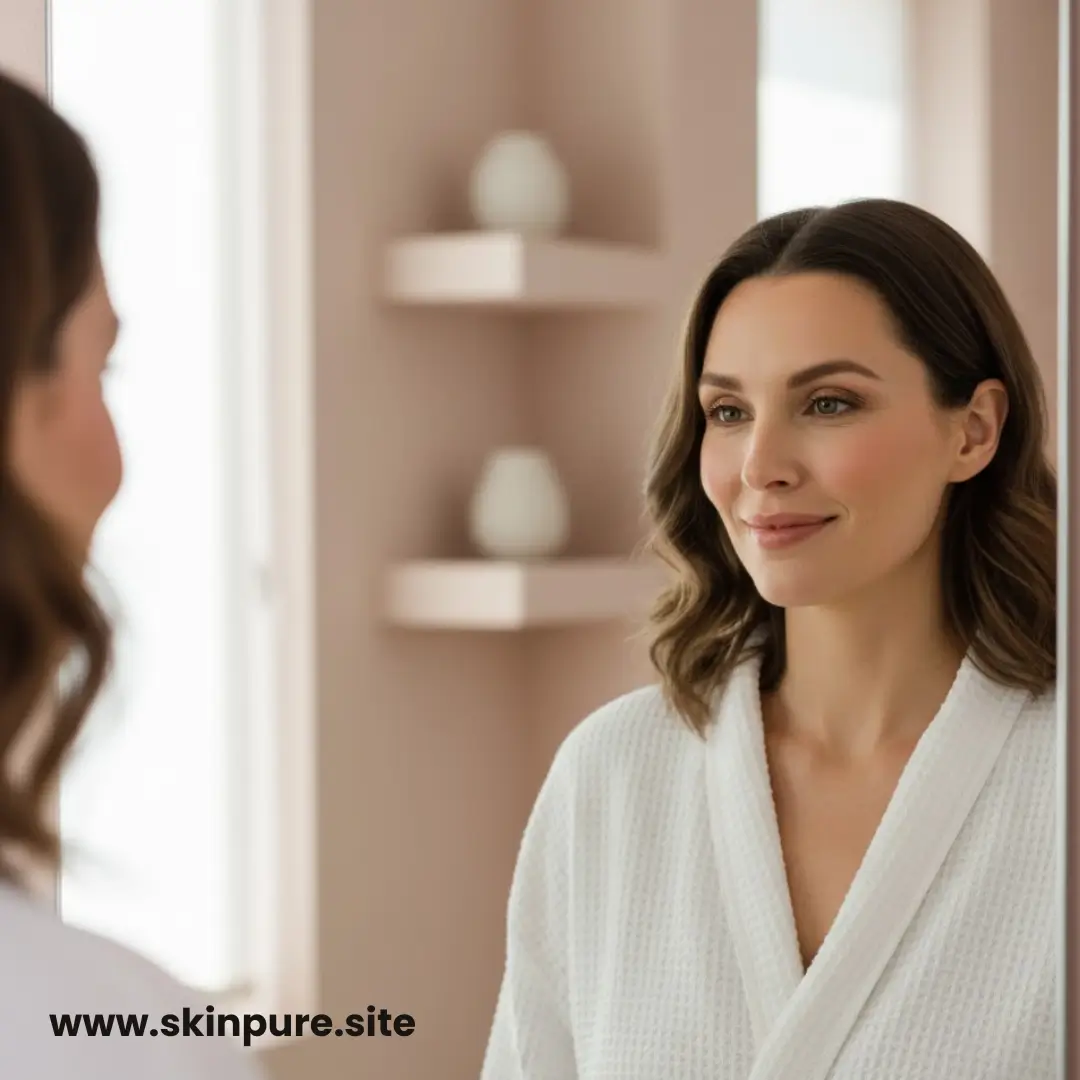
One day you will look at yourself in the mirror and wonder why you are not scared. The day that you are healed, will be the day that your scar is gone, not the day when you no longer worry about it.
The thing is that in case you feel more like yourself with makeup, it is fine. Find mineral/sensitive-skin lines such as BareMinerals or Almay Pure. They are sitting carelessly and allow the flesh to breathe.
Gentle care does not only refer to what is on your skin but it is also your vision, feel and discussion.
True Testimonies of Healing and Hope
By the time Mary, 52, was done with the radiation therapy to remove basal cell carcinoma on her nose, she could not tolerate the appearance of her skin. She began with simply washing with lukewarm water and putting on a ceramide cream. After two months she turned red, but more to the point, her confidence came back.
Or James, a surfer who got the squamous cell carcinoma on his shoulder. He has changed to the mineral sunscreen and long-sleeved rash guild. He now imparts sun safety to his local surf club.
Sweet treatment makes suffering wisdom. Every scar has got a story to tell — yours can be that of endurance.
Frequently asked questions on gentle care of skin cancer
- Is it possible to use ordinary skin care products after treatment of skin cancer?
Not right away. The content of most normal products is fragrant or acidic, which irritates. The dermatologist-approved light formulas are to be used initially, and other products are to be added gradually under supervision.
- What do you think are the ingredients that assist my skin to heal faster?
Find ceramides, niacin amide and panthenol. They repair your barrier and immobilize the hydration. Do not use alcohol or perfume until your skin has settled.
- Is it necessary to exfoliate following surgery or radiation of skin cancer?
No scrubbing till your physician commands it. The skin of the dead will peel off naturally. Exfoliation may be forced and this may harm delicate tissue.
- What are the safest post-cancer skin sunscreens?
Zinc oxide or titanium dioxide of the mineral sunscreens. They are placed on the skin top and they reflect the UV rays as opposed to chemical filters which may sting.
- Will some natural products such as honey or aloe vera help?
Aloe vera without alcohol, fragrance, etc., is soothing and raw honey must be sterilized before use. Natural does not necessarily mean safe as a healing agent.
- When will my skin go back to normal?
Recovery is different- in the majority of individuals, recovery is observed in 3-6 months but the change in texture or color may take longer. Be patient and gentle.
- Is the wearing of makeup again okay?
After your skin is not tender any more, yes. Select fragrance free and non- comedogenic formulas and wash them off using a cleanser that is gentle.
- What can I do to help decrease scars or discoloration?
Apply scar gels, SPF, and regular hydration, which are made of silicone material. In the long run scars are natural and fade away.
- What are the medical quality creams that were found to be effective?
Yes – the use of such products as Cicalfate, Epionce Renewal Cream, or even prescription barrier creams is demonstrated to accelerate the recovery. First make sure that you consult your dermatologist.
- What are my emotional responses to my treatment on my skin?
Give yourself time. Communicate with other survivors, consider skincare as self-care and concentrate more on progress than perfection. The healing of skin is physical, partly emotional.
Final Thought
Mild treatment of skin cancer has nothing to do with costly creams or magic wonders. It is concerning patience, regularity, and kindness – the silent practices that make you understand that healing is long, and it lasts.
Whenever you shower gently, leave the towel on the skin rather than the cloth and put on that SPF, you are not only doing good to your skin. You’re celebrating survival.